Royal Bardiya National Park
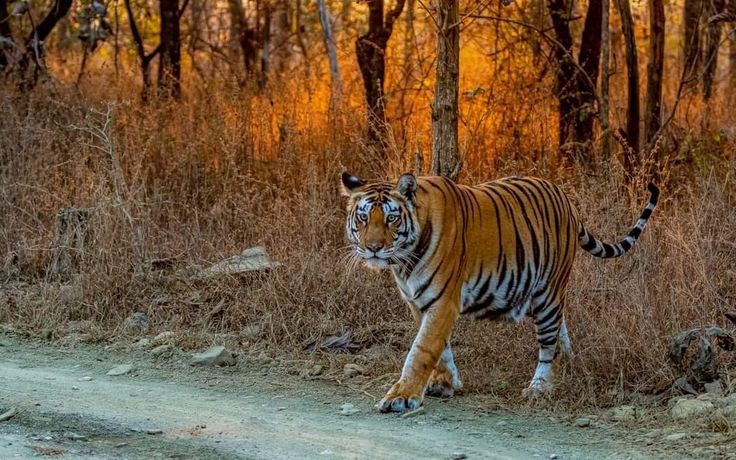
Nepal’s largest lowland jungle. Walking safari, jeep, and river — the country’s best odds of seeing a tiger.
Days
5 Days
Difficulty
Easy
Max Altitude
300 m
Best Season
Oct–Mar
Trip Overview
The largest, least disturbed jungle in the Terai, on the Karnali. Fewer vehicles, longer walks, and Nepal’s strongest tiger landscape - for travellers who want wilderness over convenience.
Bardiya is for serious wildlife. You walk more, drive less, and stay in a quieter corner of the park than Chitwan’s busiest lodges.
Base near Thakudwara. Dawn walking safari, jeep on open tracks, and a Karnali canoe for dolphin. Days are long and unhurried.
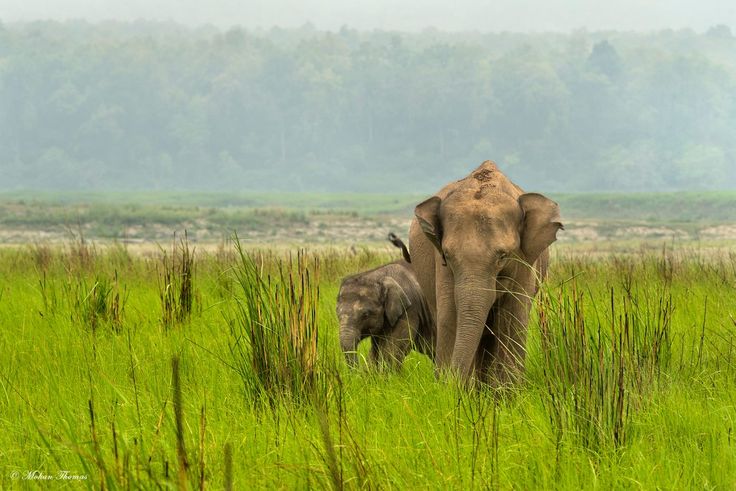
Look for tiger, wild elephant, Gangetic dolphin, and sloth bear. Best for travellers who already know they want wilderness, not a weekend add-on.
Access is a flight to Nepalgunj plus about two hours by road. We include park permits, a private naturalist, and lodges that keep group sizes small.
Trip Information
- Day 1 : Fly To Nepalgunj & Drive To Bardiya The Buffer Zone (2-3 hour, 300 m)
- Day 2 : Full-Day Jeep Safari Into The Karnali & Babai Systems (Full day, 300 m)
- Day 3 : Karnali Float Safari & Birdwatching (Full day, 300 m)
- Day 4 : Full-Day Walking Safari (6-7 hrs, 300 m)
- Day 5 : Second Walking Safari & Deep-Forest Tracking (6-7 hrs, 300m)
- Day 6 : Final Dawn Safari & Departure (1,350m)
Day 1: Fly To Nepalgunj & Drive To Bardiya The Buffer Zone
Walking: 2-3 hour · Altitude: 300 m · Stay: Lodge · Meals: Breakfast, Lunch, Dinner
A flight to Nepalgunj, then a two to three hour drive north, trades Kathmandu's altitude and noise for the flat heat and stillness of the far-western Terai. Bardiya sees a fraction of the visitors Chitwan does, and that's obvious from the moment you arrive, no queues, no convoy of jeeps, just forest. Settle into your lodge, meet your private naturalist over a briefing on what the coming days will actually involve, and take a short orientation walk along the buffer zone at dusk, when deer drift out to the forest edge and the birdlife is at its loudest.
Day 2: Full-Day Jeep Safari Into The Karnali & Babai Systems
Distance: N/A (jeep safari) · Walking: Full day · Altitude: 300 m · Stay: Lodge · Meals: Breakfast, Lunch, Dinner
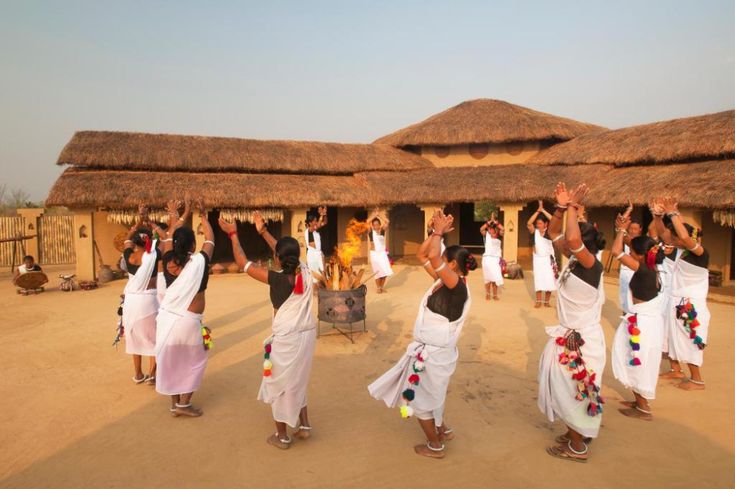
A full day deep into Bardiya's core sal forest and river grassland, not the shorter loops many parks offer, but genuine ground covered along two river systems. Spotted deer, sambar, wild boar, langur, and rhesus macaque are near-certain sightings; reintroduced rhino are increasingly well established here; and wild elephant, sometimes including the large tuskers this region is known for, move through in herds. We'll be honest rather than oversell it: this is the best realistic tiger habitat in Nepal, but "best odds" still means patience, not guarantees. In the evening, time with the Tharu community in Thakurdwara, whose stick dance and longhouse architecture is their own living tradition, not a show staged for tourists.
Day 3: Karnali Float Safari & Birdwatching
Walking: Full day · Altitude: 300 m · Stay: Lodge · Meals: Breakfast, Lunch, Dinner
A morning float down the Karnali River in a dugout canoe is the quietest possible way to move through this landscape, gharial and mugger crocodile bask on the sandbanks a few metres away, and there's a genuine chance of spotting the endangered Gangetic river dolphin in the deeper pools. The middle of the day is given over to birdwatching, Bardiya holds over 400 recorded species, including the Bengal florican and sarus crane, so bring binoculars if you have them, your lodge can lend a pair if not. The evening closes with a community-run Tharu cultural performance, proceeds go directly back into the buffer-zone households that stage it.
Day 4: Full-Day Walking Safari
Distance: ~10-12 km · Walking: 6-7 hrs · Altitude: 300 m · Stay: Lodge · Meals: Breakfast, Lunch, Dinner
This is the day that separates Bardiya from every other park in Nepal. You'll spend the full day on foot with your naturalist and an armed park scout, tracking through terrain a jeep simply can't reach. It's slower, quieter, and genuinely more demanding, but it's also the single best way to actually encounter Bardiya's wildlife on its own terms rather than watching it from behind glass and an engine. Your guides will brief you properly beforehand on rhino, sloth bear, and tiger encounter protocol; listening matters more here than anywhere else on the trip.
Day 5: Second Walking Safari & Deep-Forest Tracking
Distance: ~10-12 km · Walking: 6-7 hrs · Altitude: 300m · Stay: Lodge · Meals: Breakfast, Lunch, Dinner
Rather than repeating yesterday's ground, your naturalist takes you into a different, less-visited section of the park, following fresh tracks, alarm calls, and whatever the previous day's sightings suggest is worth chasing. A second full walking day is what genuinely shifts the odds on Bardiya's signature sighting, this isn't padding, it's the difference between a good trip and the one people come home talking about for years.
Day 6: Final Dawn Safari & Departure
Altitude: 1,350m · Stay: Hotel · Meals: Breakfast,Lunch, Dinner
One last jeep safari at first light, when the forest is at its most active, before the drive back to Nepalgunj and a flight to Kathmandu, or onward if you're continuing into India or further west.
Note: The trek itinerary is a guide only and may be subject to change at short notice.
Required equipment
- Binoculars
- Sun hat and sunglasses
- Insect repellent
Clothing list
- Lightweight, neutral-coloured clothing (green, brown, grey - no white or bright prints)
- Long-sleeved shirts and long trousers for both walking safaris
- Light jacket or fleece for early morning safaris
- Comfortable closed-toe shoes, suitable for uneven and possibly wet ground
Personal items
- Camera with spare batteries
- Sunscreen
- Basic first-aid items / personal medication
- Refillable water bottle
Technical climbing equipment
- Torch or headlamp
- Soft duffel or overnight bag
- Nepali rupees in cash for extras (drinks, souvenirs, tips)
Your trek cost includes
- Domestic flight Kathmandu-Nepalgunj-Kathmandu, plus private vehicle transfer to and from Thakurdwara
- All national park entry permits and daily conservation fees
- Private naturalist guide and armed park scout for every activity
- Full-day jeep safaris, two full-day walking safaris, Karnali float safari, and guided birdwatching
- Lodge accommodation on a full-board basis, twin sharing
- Tharu village visit and community cultural programme
- All government taxes, VAT, and company service charges
Your trek cost does NOT include
- International flights and Nepal visa fee
- Travel and medical insurance (required)
- Drinks, laundry, and other personal expenses
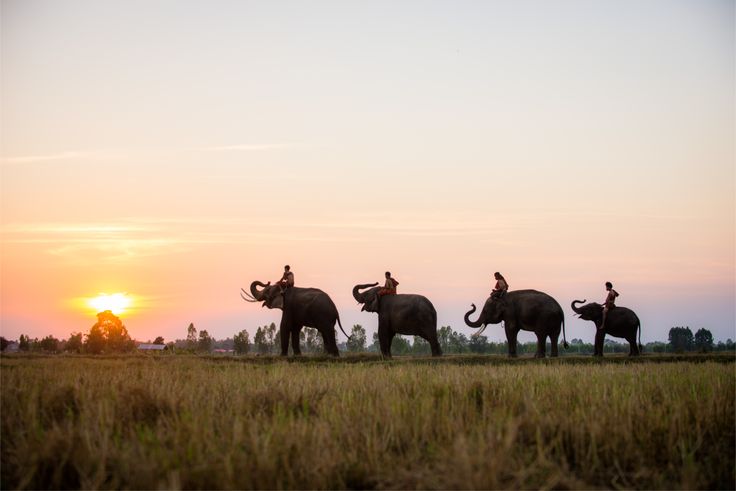
- Elephant-back safari (not offered, for animal welfare reasons)
- Any activity or excursion beyond those listed in the itinerary
- Tips for your naturalist, driver, and lodge staff
Required permits
Bardiya National Park entry and buffer-zone fees. We arrange these before you enter the park.
Visa information
A Nepal tourist visa is required. Obtain on arrival or in advance.
Insurance requirements
Travel insurance covering wildlife activities and medical evacuation is compulsory.
Fitness requirements
Easy to moderate. Jeep and canoe need no trekking fitness; walking safari is unhurried on flat ground.
Safety information
Always stay with your naturalist. Do not approach wildlife. Follow lodge and park briefings.
Altitude information
Terai lowland. No altitude risk.
Cancellation policy
Park fees and lodge nights are often non-refundable close to travel. See our terms.
Is Bardiya better for tiger than Chitwan?
Bardiya has more space, fewer vehicles, and Nepal’s strongest tiger landscape. Sightings are still never guaranteed.
How do I get there?
Fly Kathmandu to Nepalgunj (about an hour), then a two-hour private drive to the lodge near Thakudwara.
Is a walking safari safe?
Walks are with an experienced naturalist on established routes. You follow briefings and never approach wildlife.
Have Additional Questions?
Our team can help with altitude safety, packing lists, insurance, or a custom itinerary.
